Environmentally Responsible E-Waste Disposal: Your Comprehensive Guide to Responsible Recycling
Environmentally responsible e-waste management is an essential subject in the current era of rapid technological advancement. As digital gadgets reach the end of their lifespan, their irresponsible discarding creates serious hazards to our natural surroundings and human health. Grasping the significance of proper recycling practices is fundamental. This guide offers practical steps for identifying recyclable items and preparing electronics for safe disposal. Yet, a large number of people remain uninformed about the wider impact of electronic waste recycling on regional economic growth and environmental initiatives. In what ways can members of the public make a meaningful difference in tackling this critical matter?
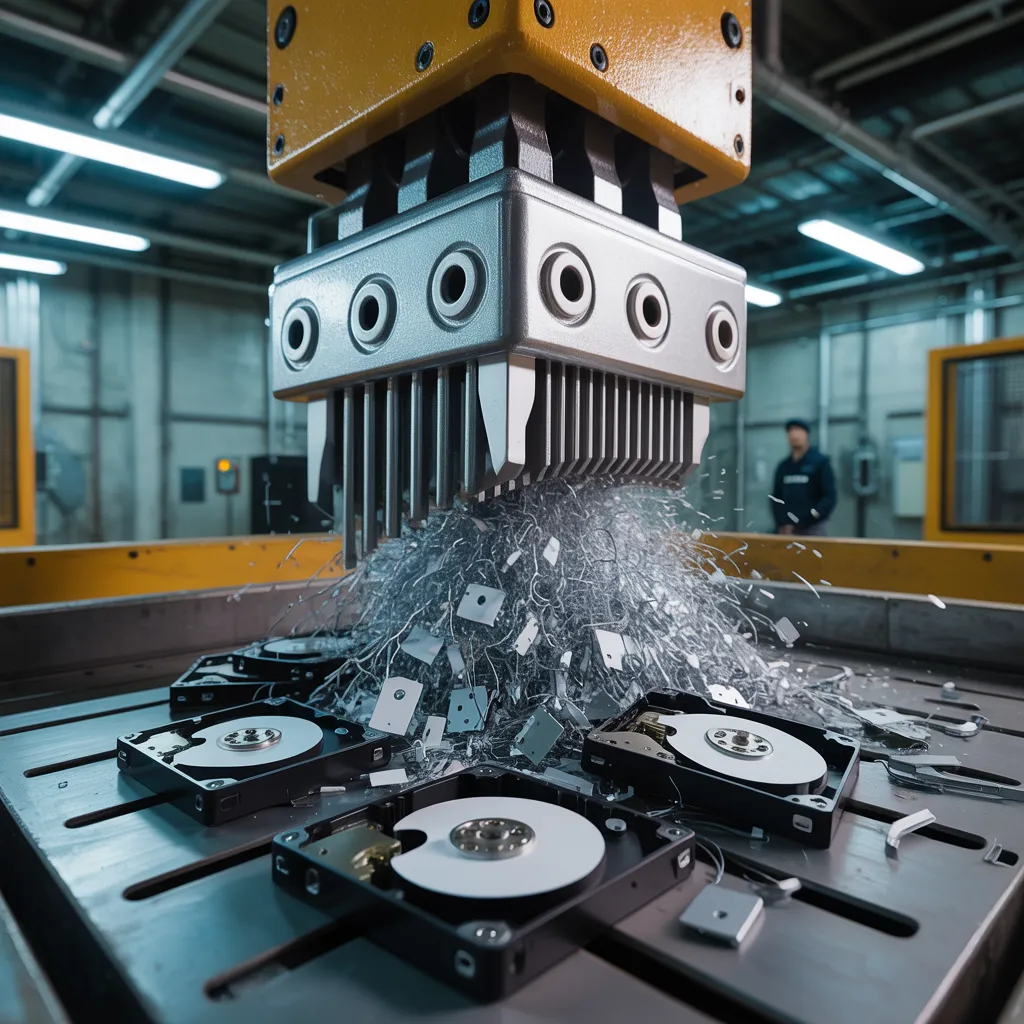
The Importance of E-Waste Disposal for the Environment
E-waste disposal is critical for environmental health, as improper handling can lead to significant ecological damage. Many electronic products frequently harbor dangerous substances such as mercury, cadmium, and lead. If e-waste ends up in landfill sites, these dangerous chemicals can infiltrate the soil and contaminate water sources, creating significant hazards for people and animals alike. Moreover, the mounting pile of e-waste intensifies the worsening pollution crisis, straining natural resources and ecosystems.
Furthermore, the worldwide need for novel electronics perpetuates the cycle of e-waste accumulation. By adopting proper disposal approaches, such as repurposing or recycling, critical materials can be salvaged, decreasing the reliance for raw material harvesting. This not only conserves energy but also minimizes environmental harm. Fundamentally, sound e-waste disposal practices are critical for defending the planet and fostering sustainable growth, emphasizing the importance of shared responsibility in resolving this urgent issue.
Identifying Recyclable E-Waste
Determining recyclable e-waste demands awareness of common items such as old computers, smartphones, and televisions. Recognizing the hazardous materials found within these devices is vital for proper recycling and safe disposal. Moreover, complying with regional recycling regulations guarantees that e-waste is handled in a responsible and efficient manner.
Typical E-Waste Products
Many different electronic devices contribute to the expanding issue of e-waste, making it essential to recognize which items can be processed for recycling. Typical e-waste consists of outdated laptops, computers, smartphones, and tablets, as well as peripherals like keyboards, mice, and printers. Cathode ray tube televisions, along with other older TV models, are similarly categorized as e-waste. Additional items that qualify for recycling include gaming consoles, digital cameras, and a range of smaller electronic gadgets, such as charging cables and audio devices. Common home appliances such as refrigerators and microwaves can also feature recyclable parts. Knowing which products are classified as e-waste empowers people to handle their disposal in a responsible manner, helping to mitigate environmental impact while promoting sustainable practices in electronics recycling.
Understanding Hazardous Materials
Understanding the hazardous components present in electronic devices is crucial for proper e-waste disposal. Numerous electronics include substances like lead, mercury, cadmium, and brominated flame retardants, which can pose risks to human health and the environment. For instance, lead is often found in circuit boards and glass of cathode-ray tubes, while mercury can be found in fluorescent lamps and batteries. Understanding these materials enables people to make informed decisions about disposal. Awareness of hazardous components is critical not only for personal safety but also for limiting environmental impact. Proper identification guarantees that e-waste is sent to specialized recycling facilities capable of managing these materials, thereby encouraging responsible disposal methods and preserving natural resources.
Neighborhood Recycling Policies
While managing local recycling regulations, individuals can more effectively identify which electronic devices are deemed recyclable. Typically, items such as old computers, TV sets, and smartphones fall under this classification. Local regulations often stipulate that devices containing Contact us dangerous components, like mercury or lead, must be managed in an environmentally safe manner. It is important to refer to local waste management resources or community notices for particular recycling options, as these regulations can vary greatly by region. Many municipalities offer dedicated disposal sites or planned pickup events to facilitate proper disposal. Moreover, manufacturers may implement take-back programs, encouraging consumers to hand in old electronics. By following these local policies, individuals contribute to environmental protection and the responsible handling of electronic devices.
Discovering E-Waste Recycling Centers in Your Area
What are the best ways for people to find local e-waste recycling centers? One practical strategy is to leverage online resources. Digital resources including Earth911 and the Electronics TakeBack Coalition maintain comprehensive search databases, allowing users to input their zip codes and find nearby recycling options. Moreover, municipal government portals frequently feature specific pages for waste management, including e-waste recycling programs.
Local gatherings, such as e-waste collection drives, are another great opportunity to take advantage of. Nearby environmental groups frequently host these events, giving community members a practical option for responsible electronics recycling.
Social media channels can additionally act as useful resources, as community groups may share information about local recycling programs.
Ultimately , people can reach out to nearby electronics stores , as many have device return programs for old devices . By utilizing these resources , individuals can ensure that their electronic waste is handled in an environmentally friendly manner .
How to Prepare Your Electronics for Recycling
Before recycling electronics for disposal, securing personal data is of utmost importance. Device owners should first back up critical information before moving forward to eliminate any personal data from the unit. This ensures that confidential information is not compromised during the recycling process.
Back Up Your Data Safely
Before recycling electronics, users must verify their data is backed up securely. The process requires identifying essential files, documents, and media saved on devices. By utilizing dependable cloud storage services or external hard drives, users can move critical information to protect it from being lost. Organizing files in advance is crucial to simplifying the backup process. Performing backups consistently can ensure that important data is not missed. In addition, users ought to validate the integrity of their saved data to confirm that the transfer was successful. By adhering to these steps, individuals can significantly lower the risk of data loss while readying their electronics for recycling. This preventative strategy not only secures personal data but also supports environmentally responsible e-waste disposal habits.
Eliminate Personal Details
Ensuring private data is erased from electronics is a critical step in getting devices ready for recycling. People should first perform a factory reset on smartphones, tablets, and computers, which restores devices to their original settings and erases stored data. For added security, it is wise to employ data-wiping programs that adhere to industry benchmarks, guaranteeing that all data is completely irretrievable. Additionally, removing SIM cards and memory cards is vital, as these components often contain sensitive information. After erasing the device, physical destruction of hard drives can be explored for those who prioritize maximum security. By implementing these measures, individuals can confidently recycle their electronics without the risk of exposing personal data, promoting a greener and more secure approach to electronics recycling.
Grasping the Significance of E-Waste Recycling
E-waste recycling plays an essential role in minimizing the environmental damage of abandoned electronic gadgets. As worldwide electronics consumption increases, so too does the amount of electronic waste, which can include toxic materials such as lead, mercury, and cadmium. Proper recycling processes guarantee that these substances are safely extracted and managed, preventing soil and water contamination.
Additionally, recycling electronic waste conserves valuable resources by extracting precious metals and parts, decreasing the demand for mining and producing fresh materials. This not only decreases greenhouse gas emissions tied to production but also decreases the energy demands tied to resource extraction.
In addition, efficient recycling efforts can strengthen community economies by creating jobs in collection, processing, and sorting plants. By understanding the significant advantages of recycling e-waste, communities and individuals can support a greener future, fostering a circular economy that prioritizes resource efficiency and environmental protection.
Ways to Minimize E-Waste in Your Everyday Life
As understanding of the environmental effects of electronic waste expands, people are continually looking for methods to reduce their role in this worldwide problem. One effective strategy is to extend the lifespan of devices by opting for repairs instead of replacements. Consistent care, such as performing software updates and thorough cleaning, can additionally enhance the durability of electronics.
Another approach involves making well-considered buying choices. Shoppers are advised to choose high-quality products known for durability and energy efficiency. Furthermore, selecting items with limited packaging can substantially cut down on waste.
Digital decluttering can further contribute to e-waste reduction. By consistently eliminating redundant files and applications, users can enhance their device efficiency and increase their longevity. Additionally, encouraging a mindset of exchanging and sharing electronic devices rather than buying new products creates a more environmentally responsible society. Together, these approaches can significantly reduce the growing e-waste problem and support mindful usage practices.
Common Questions and Answers
What Types of Electronics Are Considered E-Waste?
E-scrap comprises discarded electronic devices for example computers, televisions, smartphones, tablets, printers, and batteries. Electronics that are obsolete, broken, or no longer useful belong to this group, creating environmental risks when improperly discarded.
Are E-Waste Recycling Services Subject to Fees?
A large number of e-waste disposal services charge a fee, specifically for larger items or certain materials. That said, various local initiatives might provide free disposal, promoting responsible recycling while supporting careful handling of unwanted electronics.
Is It Possible to Donate Used Electronics Rather Than Recycling Them?
Yes, giving away used electronics is generally a worthwhile option to standard recycling. Several organizations receive usable electronics, providing a second life for them while supporting communities. Even so, ensuring the items meet donation criteria is crucial for optimal outcomes.
How Can E-Waste Be Recycled Into New Products?
Electronic waste undergoes recycling into new products using methods that encompass material shredding, separation, and metal refining. Key materials including gold, copper, and plastic are reclaimed, allowing for their reuse in production while minimizing environmental harm.
What Happens to E-Waste That Isn't Recycled Properly?
Improperly recycled e-waste often ends up in landfills, discharging harmful toxins into the surrounding environment. This contamination poses health risks to humans and wildlife, as precious resources are squandered, leading to the depletion of finite resources.